
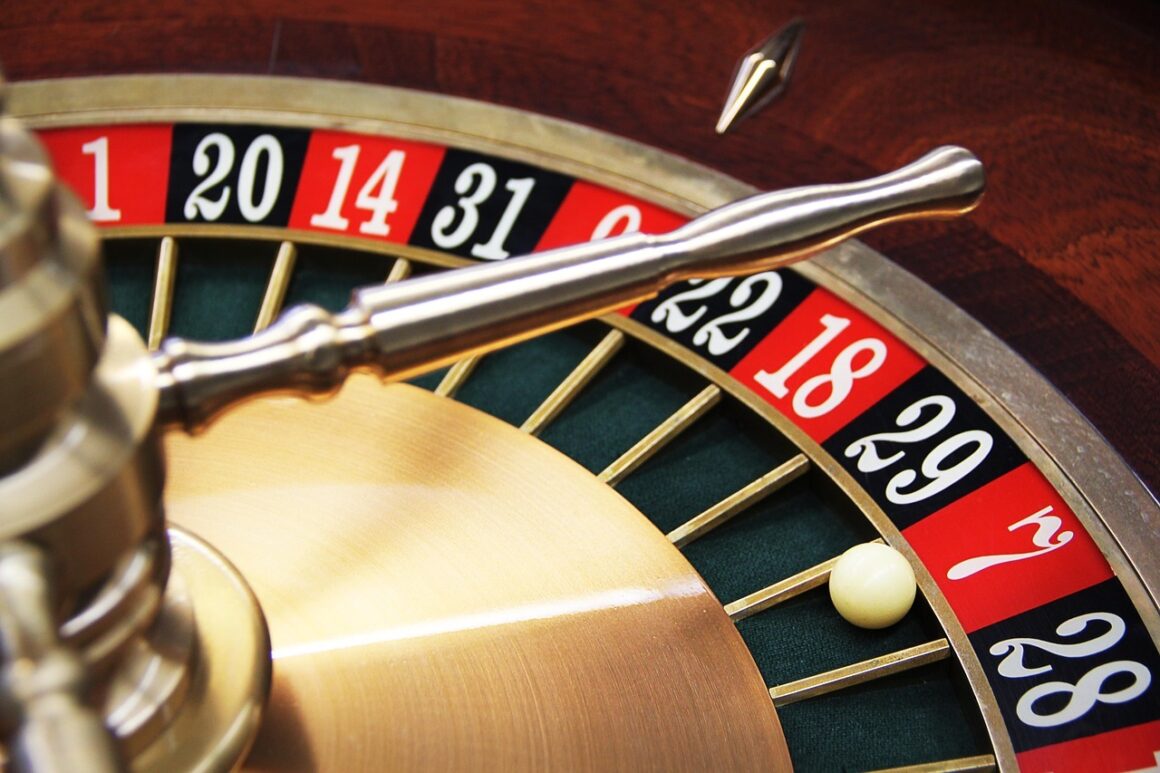
In 1894, a San Francisco car mechanic named Charles Fey created the “Liberty Bell”—a cast-iron machine that exchanged nickels for the chance to align horseshoes, stars, and bells. It was the birth of the three-reel mechanical slot machine. Fast forward 130 years, and Fey’s invention has been digitized, refined, and integrated into mobile gaming platforms worldwide.
The “Gacha” phenomenon represents a notable convergence point between traditional gambling mechanics and modern digital entertainment. Derived from Japanese gachapon—vending machines dispensing random toys in plastic capsules—Gacha games have transformed the simple pull of a lever into a sophisticated multi-billion dollar industry.
Way 1: The Digital Evolution of Random Outcomes
The slot machine’s evolution reflects the shift from physical mechanisms to digital systems. In 1907, the Mills Novelty Company introduced the “Mills Liberty Bell,” establishing the “BAR” and fruit symbols that remain recognizable today. By the 1930s, “Silent Bells” made the experience more discreet. The fundamental change occurred with the transition from physical reels to digital Random Number Generators (RNGs).
This transition enabled the Near Miss Effect—when free spin stops just short of a jackpot, with two matching symbols followed by a third that’s almost aligned. In mechanical machines, this was uncommon; in digital systems, it became a programmable feature.
Research published by the American Psychological Association shows that near misses activate brain responses similar to actual wins, creating what researchers call an “illusion of progress.”
Modern games incorporate visual and audio feedback—screen effects, timed animations, and celebratory sounds—even during unsuccessful attempts. These design choices, sometimes called “losses disguised as wins,” maintain player engagement by suggesting proximity to success.
Way 2: Variable Reward Schedules
Modern mobile games frequently employ variable ratio reinforcement, a behavioral principle studied by B.F. Skinner. This reward schedule provides payouts on an unpredictable basis, which research shows effectively encourages repeated behavior.
This creates what’s known as the Dopamine Loop. Neuroscience research indicates the brain releases dopamine during the anticipation of a reward rather than upon receiving it. By making outcomes uncertain, games maintain players in a state of anticipation. The appeal lies in the reveal process itself rather than solely in the prize obtained.
Way 3: User Interface Design Approaches
Modern games utilize various UI/UX design patterns that prioritize engagement metrics. These interface design choices influence player behavior through several mechanisms:
Anchoring and Price Discrimination: Displaying higher-priced virtual currency packages first, making subsequent options appear more affordable by comparison. Purchase decisions are influenced by relative rather than absolute value.
Choice Architecture: Labeling options in ways that guide user selection. For example, in Coin Master, connecting with Facebook is labeled “Play with Friends,” while the alternative appears as a smaller “Guest” button with the note “Guests can’t play with friends…”
Time-Gating Mechanics: Implementing in-game timers and “stamina” systems that create scheduled play sessions. These mechanics encourage regular engagement by limiting continuous play.
Way 4: Social Integration and Celebrity Partnerships
Modern gaming incorporates social proof—the behavioral tendency to follow others’ actions during uncertain situations. Games combine this with what researchers call Unity, the inclination to trust those perceived as part of one’s social group.
Celebrity endorsements, such as the Kardashians or Jennifer Lopez in Coin Master campaigns, serve multiple functions beyond traditional advertising. These partnerships leverage existing fan relationships, positioning the game within players’ social contexts. This social dimension transforms competitive features like raiding villages or comparing rare items into shared experiences rather than purely transactional activities.
Way 5: Tiered Monetization Models
The Gacha model operates on a tiered spending structure where a small percentage of high-spending players (“Whales”) generate substantial revenue, while “Minnows” (non-spenders) and “Dolphins” (moderate spenders) comprise the majority. To sustain this model, developers implement “Luck Mitigation” or Pity Systems.
These systems fall into two categories:
Soft Pity: The probability of obtaining rare items gradually increases with each unsuccessful attempt, with odds adjusting incrementally.
Hard Pity (Sparking): A guaranteed rare drop after a predetermined number of attempts (e.g., 100 pulls).
While presented as player-friendly features, these systems create a paradox: players may spend more pursuing a guaranteed outcome than they would on a direct purchase, as they perceive they’re earning progress through accumulated attempts.
The Regulatory Landscape
The convergence of gaming and gambling mechanics has attracted regulatory attention. Traditional gambling providers like NetEnt and Playtech have entered mainstream gaming, while game developers have incorporated casino-style mechanics. This has resulted in varied international regulatory responses:
The UK: Maintains that since virtual items cannot be officially exchanged for money, these mechanics don’t constitute gambling. However, unofficial secondary markets exist where virtual items are traded for real currency.
Belgium and the Netherlands: Have classified certain loot box mechanics as illegal gambling, prompting some publishers to remove these features in those regions.
China: Since 2017, requires companies to disclose the probabilities of obtaining specific items, providing transparency around odds.
The European Union Parliament has considered regulatory measures for gacha mechanics, particularly concerning protections for younger players.