
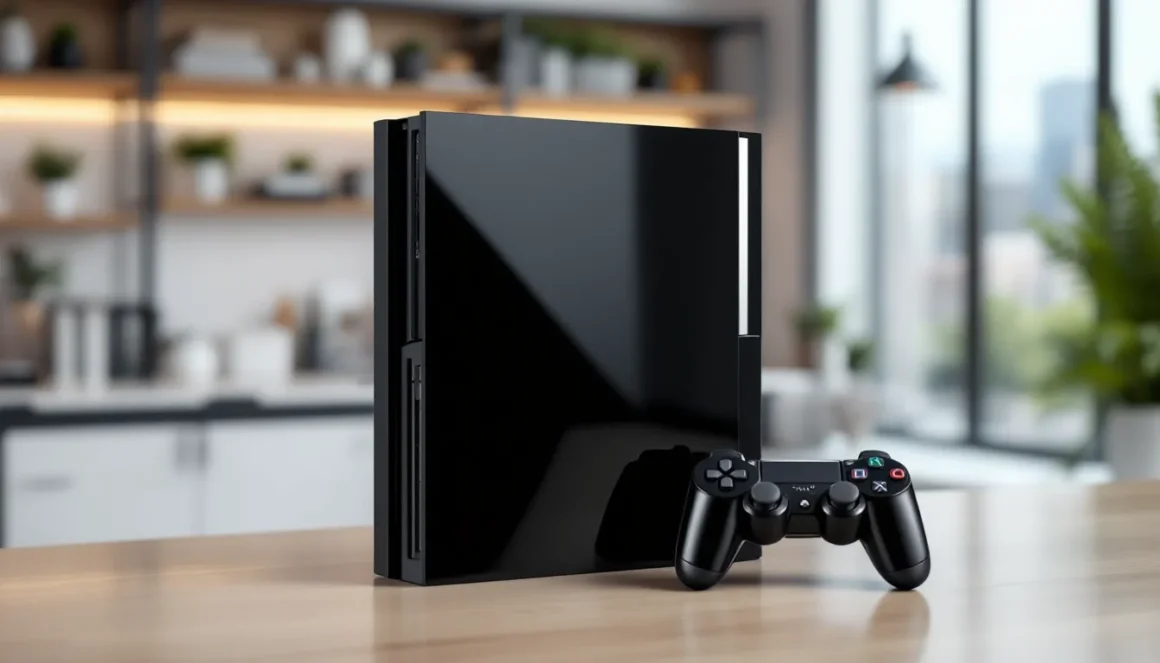
The PlayStation 3 stands as one of gaming‘s most pivotal consoles, reshaping what players expected from hardware, online gaming, and exclusive franchises. But when did the PlayStation 3 come out, exactly? The answer depends on where you lived, Sony staggered the launch across regions in 2006 and 2007, each debut marking a turning point in that console generation. From the initial Japanese release in November 2006 to the European launch months later, the PS3’s arrival sent shockwaves through the industry. This guide breaks down the exact release dates, the hype leading up to it, and why the PS3 became the juggernaut that defined a generation for millions of gamers worldwide.
Key Takeaways
- The PlayStation 3 launched on November 11, 2006 in Japan and North America, with Europe following on March 23, 2007, marking a staggered global release strategy designed to maximize demand and production capacity.
- The PS3 shipped with two launch models—a 20GB entry-level version at $499 and a premium 60GB model at $599—featuring the custom Cell processor, Blu-ray drive, and built-in Wi-Fi for online gaming without a subscription fee.
- Despite mixed critical reception at launch due to the challenging Cell processor architecture, the PlayStation 3 eventually dominated its generation through exclusive franchises like Uncharted, Metal Gear Solid 4, and God of War III that showcased the hardware’s graphical capabilities.
- Price cuts and the sleeker PS3 Slim launch in 2009 at $299 significantly expanded the console’s mainstream appeal and helped the platform outsell its competitors over a remarkable 11-year lifespan.
- The PlayStation 3’s long-term success transformed it from a questionable $599 investment into a generational landmark that redefined online gaming, established PlayStation as gaming’s dominant brand, and influenced the entire industry’s approach to exclusive content and technical innovation.
PlayStation 3 Launch Overview: Setting the Stage
The PlayStation 3 wasn’t just another console release, it represented Sony’s ambitious leap into the Blu-ray era while simultaneously overhauling online gaming infrastructure. By the time the PS3 launched, gaming had evolved dramatically since the PS2’s 2000 debut. The industry demanded more powerful hardware, robust online multiplayer, and groundbreaking graphics that justified a $499 or $599 price tag.
Sony faced serious competition from Microsoft’s Xbox 360, which had already been on shelves for nearly a year, and Nintendo’s revolutionary Wii, which prioritized motion controls over raw processing power. The PS3 needed to prove that Cell processor technology and Blu-ray drives weren’t just marketing buzzwords, they had to deliver real gameplay benefits that justified the premium pricing and technical complexity.
The console shipped with two SKU variants at launch, each targeting different market segments. The 20GB model launched first in select regions, followed by the more feature-rich 60GB version. Both came packed with built-in Wi-Fi, Ethernet, and USB ports, positioning the PS3 as the most connected console on the market at that time. What truly set the stage, though, was the massive gap between announcement and actual availability. For nearly two years, gamers hyped themselves into a frenzy over what the PS3 would become.
Official Release Dates by Region
Japan Launch: November 2006
Japan got first dibs on the PlayStation 3, launching on November 11, 2006. Sony prioritized the Japanese market as a proving ground for the new hardware and online infrastructure. The launch was controlled but energetic, long queues formed outside retailers in Tokyo, Osaka, and Kyoto, though stock wasn’t as frantically scarce as some had feared.
The initial Japanese lineup emphasized arcade-style experiences and games tailored to regional preferences. Titles like Ridge Racer 7, Mobile Suit Gundam: Target in Sight, and The Elder Scrolls IV: Oblivion gave early adopters immediate gameplay options. Japanese gamers also got early access to PlayStation Network’s online features, helping Sony work out infrastructure issues before the North American rush.
North American Release: November 2006
North America received its PlayStation 3 launch just two weeks after Japan, on November 11, 2006. The release date confusion might seem odd, same day as Japan on the calendar, but Sony officially coordinated both regions for the same November window. The North American launch proved far more chaotic than Japan’s controlled rollout. Pre-order allocation was limited, and retailers faced shipping constraints that left many midnight launches undersupplied.
Gamers camped outside Best Buy, GameStop, and Target locations for their shot at a day-one PS3. The 60GB model became the de facto North American standard, bundled with better backward compatibility for PS2 games, a feature Japanese buyers didn’t prioritize as heavily. Launch titles in North America included Resistance: Fall of Man (exclusive to this region initially), Ridge Racer 7, Combat: Evolved, and ports of major multiplatform releases.
European and Other Regions: March 2007
Europe and other international markets waited significantly longer. The PlayStation 3 launched across Europe on March 23, 2007, nearly four months after North America and Japan. This staggered approach frustrated European gamers who watched North American media coverage and gameplay videos for months before their own release date arrived.
The delayed European launch gave Sony extra time to stock inventory and refine manufacturing processes, but it also created a secondary market where imported North American PS3 units commanded premium prices in the UK, Germany, and France. By March 2007, the software library had expanded considerably, offering European launch buyers a stronger game selection than their earlier-region counterparts enjoyed. Titles like Formula One 2007, LEGO Star Wars II, and Armored Core 4 rounded out the European lineup alongside the established North American exclusives.
This regional staggering reflected manufacturing capacity limits and distribution agreements specific to each territory. Rather than flood the global market simultaneously, Sony opted for controlled rollout that maximized demand while building hype through international press coverage.
Pre-Launch Hype and Announcement Timeline
Initial Announcement and Teaser Campaign
Sony first announced the PlayStation 3 at E3 2004, showing off early concept art and technical demos that set the internet ablaze. The announcement came roughly two years before actual availability, an eternity in gaming cycles. Developers demoed the Cell processor’s capabilities through tech showcases, nothing gameplay-related, but the visual ambition alone sparked endless forum debates about what next-generation gaming could achieve.
The teaser campaign built methodically through 2005. Marketing materials emphasized the Blu-ray drive, the Cell processor’s multi-core architecture, and online gaming as core pillars. PlayStation Underground magazine ran exclusive articles, and Sony’s official website drip-fed specs and announcements that kept the conversation alive for fans desperate for more information.
By mid-2005, the PS3 had shifted from vague concept to tangible product. Official specs were published, price points were confirmed, and the release window narrowed to a specific timeframe. Retailers began accepting pre-orders, and gamers started analyzing every technical detail, comparing the PS3’s Cell processor against Xbox 360’s Xenon CPU in forums across gaming websites.
E3 Reveals and Demo Showcases
E3 2005 served as the watershed moment for PlayStation 3 hype. Sony showcased the finalized hardware, allowed press to get hands-on time with development builds, and revealed the official controller design. The wireless controller generated significant discussion, no more umbilical cord tethering players to the console, though the gyroscope functionality wouldn’t appear until the Move peripheral launched years later.
The gaming press covered E3 extensively, with outlets publishing detailed analysis of the PS3’s technical architecture and its advantages over Xbox 360. Video game industry coverage tracked these announcements closely, helping establish the narrative that Sony was delivering the more powerful, more advanced next-generation experience.
By E3 2006, just months before launch, the demo showcases turned focus to actual games. Developers demonstrated early builds of Resistance: Fall of Man, Ridge Racer 7, and multiplatform titles running on PS3 hardware. Attendees got to play these games firsthand, providing concrete evidence that the two-year wait was nearly over.
The pre-launch period created unprecedented anticipation. Fan sites, gaming forums, and early YouTube channels obsessively documented every scrap of information. Launch day felt less like a product release and more like the resolution of a two-year narrative that the entire gaming community had been following together.
Launch Models and Hardware Specifications
Initial SKU Options and Pricing
Sony launched the PlayStation 3 with two distinct models, a dual-SKU strategy designed to capture different buyer segments. The 20GB model arrived first, priced at $499, positioned as the entry point for budget-conscious gamers who prioritized value over features. The 60GB model followed shortly after at a premium $599 price point, packed with additional capabilities that justified the extra hundred dollars.
The price difference seemed significant at launch, though both models offered exceptional raw performance compared to the Xbox 360’s $399 entry price. The cost difference became the primary talking point in gaming forums, some gamers stretched their budgets for the feature-rich 60GB version, while others settled for the 20GB model and accepted certain compromises.
Hardware shortages persisted through early 2007, particularly in North America. The artificial scarcity drove secondary market prices above retail, with eBay resellers flipping day-one PS3 units for $800 or more. This shortage narrative dominated gaming media throughout late 2006 and early 2007, creating a sense that securing a PS3 was a competitive achievement rather than a simple purchase.
Technical Specifications and Capabilities
Both launch models shared identical processor architecture: the custom Cell CPU running at 3.2 GHz, paired with 512MB of XDR RAM. The Cell processor’s parallel processing capabilities enabled complex calculations that previous-generation consoles couldn’t handle, though developers spent years learning how to properly optimize for the hardware.
The critical difference between SKUs lay in storage and backward compatibility. The 60GB model featured a 2.5-inch hard drive, 60GB of capacity, and full PS2 backward compatibility through hardware emulation, players could insert their existing PS2 games directly into the PS3 and play them natively. The 20GB model included neither the hard drive nor the same compatibility level, limiting its appeal for gamers with extensive PS2 libraries.
Graphical output was revolutionary for 2006. The PS3 supported 1080p gaming, output via HDMI to compatible displays, delivering visual fidelity that justified the premium hardware cost. While few launch titles actually reached native 1080p at 60 frames per second, the potential was undeniable. The Blu-ray drive meant movies could be watched in high-definition on the same device that played games, a value proposition Xbox 360 couldn’t match.
Online functionality came standard, with every unit shipped containing built-in 802.11 b/g Wi-Fi and Ethernet ports. The PlayStation Network required no subscription fee, unlike Xbox Live, positioning the PS3 as the more accessible online option. The hard drive in 60GB models enabled game installations, caching data to accelerate loading times, a feature the 20GB model simply couldn’t support.
Launch Titles and Early Game Library
Standout Launch Games That Defined the Era
Resistance: Fall of Man emerged as the PS3’s killer launch exclusive in North America, a first-person shooter that proved the hardware could deliver competitive, high-frame-rate gameplay. Insomniac’s effort featured human resistance fighters battling an alien invasion across 1950s England, blending alternate-history fiction with intense gunplay. Early reviews praised its technical presentation and multiplayer infrastructure, establishing Resistance as a franchise synonymous with PS3’s early identity.
Ridge Racer 7 shipped as a cross-regional launch title, a gorgeous arcade racer that had been a PlayStation staple since the original console. The graphics benchmarked the PS3’s capabilities, track environments rendered with exceptional detail, vehicles gleamed with reflections, and frame rate remained stable even during hectic 12-car races. For players seeking pure gameplay fundamentals without narrative baggage, Ridge Racer 7 delivered immediate satisfaction.
The Elder Scrolls IV: Oblivion came to PS3 several months after PC and Xbox 360, but console gamers finally got their hands-on chance with Todd Howard’s massive fantasy RPG. The sheer scope of content, hundreds of hours of exploration, quest-driven gameplay, and character creation, justified the hardware’s existence to players seeking deep, long-term gaming experiences.
Mobile Suit Gundam: Target in Sight appealed to Japanese and anime-focused gamers, translating the beloved mecha franchise into a mechanical suit-based action game. Regional preferences were evident in launch lineups, Japan received games that appealed to their specific market interests, while North America and Europe got titles aligned with Western player expectations.
Exclusive Franchises and Third-Party Support
The extended PS3 library grew rapidly through 2007, with exclusives establishing the console’s value proposition. Uncharted: Drake’s Fortune launched in late 2007, establishing Nathan Drake as an iconic PlayStation character and setting the template for action-adventure gaming that would define the generation. The game’s cinematic presentation, platforming mechanics, and treasure-hunting narrative created an experience that felt distinctly “PlayStation.”
Metal Gear Solid 4: Guns of the Patriots became another PS3 exclusive, delivering Hideo Kojima’s ambitious conclusion to Solid Snake’s story arc with technical virtuosity that pushed the hardware’s capabilities. The sheer scale of certain action sequences left gamers jaw-dropped, cementing the PS3 as the console where AAA experiences could reach their fullest expression.
Third-party publishers demonstrated confidence in the platform early. Major franchises like Grand Theft Auto IV, Assassin’s Creed, and Call of Duty came to PS3 alongside PC and Xbox 360 releases, ensuring gamers had access to industry’s biggest franchises. This multiplatform approach, combined with exclusive titles that justified console ownership, created an ecosystem that attracted diverse player demographics.
The PlayStation games library expanded rapidly through the first year, with developers gaining confidence in the Cell processor’s capabilities. What began as a modest launch lineup evolved into a comprehensive game collection that addressed every genre and preference.
Market Impact and Reception at Launch
Initial Sales Performance and Demand
PS3 hardware sales in the first week topped expectations in North America, with units selling out across major retailer chains. The scarcity created a perception of limited availability that actually boosted demand, gamers felt urgency to secure a console before they disappeared entirely. Resellers capitalized on this, flipping inventory at inflated prices across secondary markets.
Initial sales figures showed healthy momentum heading into the holiday season. Sony shipped over 1 million units worldwide by the end of 2006, though this trailed behind Xbox 360’s much earlier launch. The key narrative, but, shifted during 2007 when European and international launches expanded the install base significantly. By the end of the PS3’s first year on shelves, software sales metrics painted a picture of a console gaining traction.
The $599 price point initially deterred casual buyers, keeping the early adopter pool to dedicated gaming enthusiasts willing to pay premium prices. Price cuts came in 2007, dropping the 60GB model and introducing the 80GB variant at lower price points. These price adjustments opened the market to broader demographics, accelerating adoption throughout 2007 and 2008.
Demand significantly outpaced supply through 2007, creating a seller’s market that benefited retailers and resellers alike. This shortage narrative dominated gaming press, with outlets tracking inventory levels and reporting on which stores had stock available, a type of coverage that wouldn’t normalize until supplies stabilized in 2008.
Critic Reviews and Gaming Community Response
Critical reception was decidedly mixed at launch, a complexity that reflected the PS3’s technical sophistication alongside its early software limitations. GameSpot reviewers praised the hardware’s capabilities, online functionality, and backward compatibility options available on the 60GB model, but noted that launch games didn’t fully showcase the Cell processor’s potential. The verdict: promising hardware hobbled by software immaturity.
Game Informer’s coverage similarly highlighted the PS3’s technological achievements while expressing concern about whether developers could effectively harness the hardware’s parallel processing architecture. Early ports of multiplatform games ran noticeably worse on PS3 than Xbox 360, reinforcing perceptions that the cell processor was difficult to optimize for.
The gaming community response split along predictable lines. PlayStation loyalists celebrated the new hardware, while Xbox 360 owners and Nintendo fans questioned whether the PS3 justified its premium pricing. Online forums erupted with debates comparing technical specifications, available exclusives, and value propositions.
Gamer sentiment shifted noticeably through 2007 and 2008 as exclusives arrived and developers mastered optimization techniques. By year three of the PS3’s lifecycle, critical consensus had reversed, the console was recognized as technically superior and increasingly stronger software library. The rocky launch eventually gave way to enthusiastic endorsements, but those early negative reviews stung perceptions for years.
What became clear in retrospect: the PS3’s launch reception didn’t predict its long-term dominance. Initial skepticism couldn’t have anticipated the avalanche of exclusive AAA franchises that would arrive through 2008-2010, nor the staying power the hardware would demonstrate across a seven-year lifespan.
PS3’s Evolution and Long-Term Success
Major Hardware Revisions and Model Updates
Sony committed to the PS3 through multiple hardware revisions spanning 2006 to 2012. The 80GB model appeared in 2007, replacing the original 60GB version with improved thermal performance and lower manufacturing costs. This revision signaled Sony’s dedication to refinement, each generation of PS3 hardware became quieter, cooler, and more reliable than predecessors.
The Slim model launched in 2009, representing a dramatic physical redesign. The PS3 Slim shed roughly 36% of the original console’s weight, featured a redesigned hard drive mechanism, and ran quieter than the fat models. The Slim’s arrival came at a crucial price point, $299, that brought the PS3 into impulse-buy territory for mainstream consumers who’d been pricing the console beyond their budget thresholds.
The Super Slim arrived in 2012 with a redesigned disc drive mechanism and improved ventilation. By this point, digital distribution through the PlayStation Store had become viable, so the physical drive mattered less. The Super Slim’s introduction signaled the PS3 was approaching end-of-life, though continued software releases would support the hardware through 2017.
Each revision represented incremental improvements rather than revolutionary changes, but the cumulative effect was a more refined, reliable, quieter console that addressed legitimate criticisms from the launch hardware. Gamers who bought into the PS3 ecosystem in 2006 experienced a platform that evolved alongside them through an entire generation.
Lifespan and Legacy in Gaming History
The PS3’s lifecycle extended from 2006 through 2017, an unprecedented 11-year span where Sony continued releasing new games, publishing system updates, and supporting online infrastructure. Few consoles have demonstrated such longevity. The sustained software support meant that gamers who invested in the platform in 2007 would still find new experiences arriving for their hardware a decade later.
Legacy titles defined the PS3’s place in gaming history. Grand Theft Auto V arrived in 2013, showcasing graphical and technical achievements that seemed impossible on launch-era hardware. The Last of Us launched in 2013, establishing a gold standard for narrative-driven action games that influenced the entire industry’s approach to storytelling. God of War III pushed graphical fidelity to extremes that benchmarked the console’s raw capability.
The PS1 to PS4 evolution demonstrated how Sony’s hardware strategy changed through generations. The PS3’s success, built on the PS2’s dominant market position, ensured that PlayStation would remain gaming’s most recognizable brand heading into the PS4 era.
Online gaming matured during the PS3’s lifespan. PlayStation Network, initially criticized for lacking Xbox Live’s polish, evolved into a robust infrastructure supporting millions of concurrent players. Multiplayer franchises like Call of Duty, Killzone, and LittleBigPlanet thrived on PS3’s online ecosystem.
In retrospect, the PS3’s uncertain beginning contrasted sharply with its legacy as one of gaming’s most successful and beloved consoles. The expensive launch, the difficult Cell processor architecture, the premium price point, these early concerns evaporated as the hardware proved itself through exclusive experiences that defined the seventh console generation. The PS3 didn’t just survive its rocky start: it transformed into a generational touchstone.
PlayStation 3 vs. Competing Consoles of the Era
Xbox 360 and Wii Competition
The PlayStation 3 arrived into an already-competitive marketplace. Microsoft’s Xbox 360 had been available since November 2005, giving Microsoft a full-year head start in hardware availability and software library depth. The 360 launched with over 20 games available, while PS3 shipped with a significantly smaller library. This advantage persisted through 2007 as exclusive franchises like Halo 3, Gears of War, and Forza became synonymous with the platform.
The Xbox 360’s architecture proved easier for developers to optimize, resulting in better-performing multiplatform titles compared to PS3 versions through 2008. This technical advantage, combined with Xbox Live’s established online community, positioned the 360 as the premium gaming option during the PS3’s first critical years. Console war forums erupted with complaints that major titles like Skyrim and Fallout 3 ran significantly worse on PlayStation hardware.
Nintendo’s Wii represented a completely different philosophy, motion controls, lower processing power, and family-friendly positioning rather than hardcore gaming dominance. The Wii launched alongside PS3 in Japan and just weeks later in North America, emphasizing accessibility over technical supremacy. Early sales figures showed the Wii actually outselling PS3 significantly through 2007, suggesting that motion control innovation might dominate the generation.
Wii Sports came bundled with the console, a pack-in title that revolutionized casual gaming appeal. The Wii attracted demographics that traditional gaming had ignored, elderly grandparents, casual players, families seeking group entertainment rather than competitive gaming. This broadened market reach meant the Wii’s success didn’t necessarily diminish the PS3’s value proposition: they appealed to fundamentally different player segments.
Why PS3 Eventually Dominated the Generation
The PS3’s dominance emerged gradually through 2008-2010 as multiple factors aligned in Sony’s favor. Price cuts in 2007 and the Slim launch in 2009 made the console accessible to mainstream consumers who couldn’t justify the initial $599 investment. By 2009, a PS3 Slim cost $299, the same price point that had made the original PS2 a household item.
Exclusive software became the decisive factor. As developers mastered the Cell processor’s parallel architecture, PS3 exclusives began showcasing graphical and technical achievements that Xbox 360 couldn’t match. Uncharted 2, Killzone 2, Metal Gear Solid 4, and God of War III established visual benchmarks that made owning a PS3 mandatory for players seeking cutting-edge graphics. The sheer accumulation of exclusive experiences, over 300 exclusive titles across the generation, made the platform irresistible.
Online gaming shifted in PS3’s favor once the infrastructure matured. Free PlayStation Network service (versus Xbox Live’s subscription model) removed a financial barrier to online participation. By the early 2010s, PS3 had established a massive online community that rivaled and eventually exceeded Xbox 360’s player base.
The Wii’s initial dominance proved unsustainable. After the initial motion-control novelty wore off, the Wii’s weaker hardware and limited AAA exclusive development created perception that it was a secondary platform for serious gamers. The console’s library gradually shifted toward low-budget motion control games while PS3 and Xbox 360 hoarded major releases.
By generation’s end, PS3 had become the clear victor. It outsold Xbox 360 (127 million to 84 million units) and maintained software vitality longer than either competitor. The initial rocky launch mattered far less than the platform’s seven-year trajectory of refinement, exclusive experiences, and community support that made PlayStation THE gaming brand of that generation.
Conclusion
The PlayStation 3 launched on November 11, 2006 in Japan and North America, with European markets following in March 2007. What might seem like a straightforward release date obscures the complexity of Sony’s global strategy and the significance of that moment in gaming history. The PS3 arrived as an ambitious, technically sophisticated console priced premium for its era, backed by promises of Blu-ray technology and exclusive experiences that would justify the expense.
The early months tested both Sony’s hardware engineering and developers’ patience with the notoriously complex Cell processor architecture. Skepticism dominated initial critical discourse, observers questioned whether the $599 price justified the proposition when Xbox 360 offered proven performance at lower cost. The gaming community fractured along console war lines that persisted for years.
Yet the PS3’s story demonstrates how initial reception doesn’t predict long-term success. The hardware refined through multiple iterations, developers mastered optimization techniques that unleashed the Cell processor’s potential, and exclusive software franchises arrived that made ownership feel essential. By 2010, the PS3 had transformed from a questionable investment into a generational landmark.
For gamers who were there during that November 2006 launch, the PS3 represented gaming’s future, a promise that proved worth the wait, the premium pricing, and the early frustrations. The console’s legacy extends far beyond its November debut, encompassing an entire generation of memories built on franchises and experiences that defined what PlayStation meant to millions of players worldwide.